Home Window Tinting: Heat, UV, and Privacy
Written by
Jacob
Published on
January 20, 2026
Reading Time
5 min read
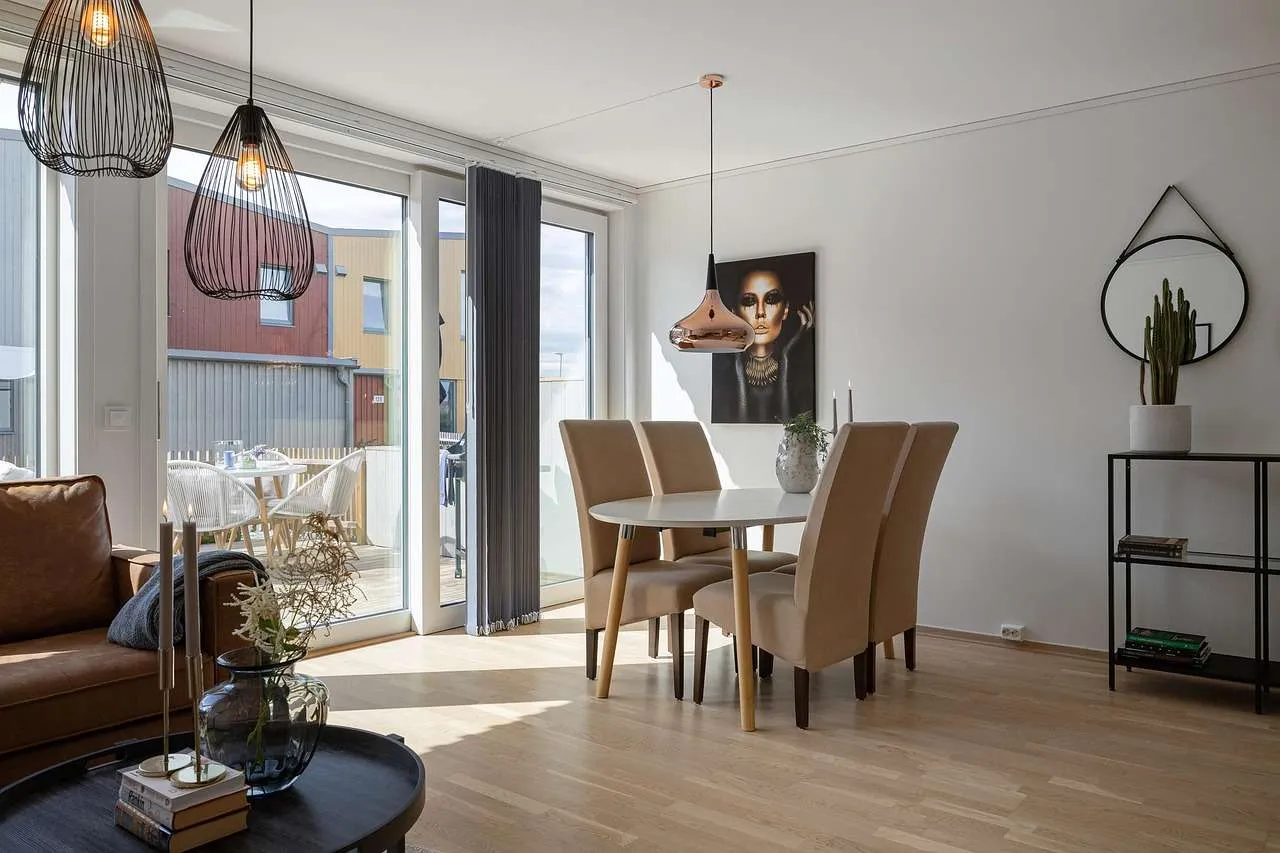
What Is Home Window Tinting
Home window tinting involves applying a thin film to the interior surface of glass windows. Modern films are engineered to block a significant portion of ultraviolet (UV) radiation, reduce infrared (IR) heat, and improve privacy without sacrificing natural light. For homeowners, this service combines comfort, energy efficiency, and protection for furnishings.
Why Home Window Tinting Matters
Energy efficiency is a primary driver for many households. By reflecting or absorbing heat, tint reduces cooling loads in summer and can help maintain comfortable indoor temperatures during winter. UV protection slows fading of carpets, furniture, and artwork. In addition, tinted windows cut glare, improve daytime privacy, and can enhance safety by holding shattered glass together in the event of an impact.
Key Benefits
- Enhanced energy efficiency and potential HVAC savings
- UV protection to preserve interior finishes
- Glare reduction for comfortable living spaces
- Increased privacy while preserving visibility from inside
- Shatter resistance when using safety films
Types of Window Tint Films
Choosing the right film depends on goals, budget, and local regulations. The main categories are:
- Dyed film: absorbs heat with a dyed color. Budget-friendly but less durable over time and may fade or peel.
- Metalized film: uses metal particles to reflect heat and increase strength. It can interfere with electronics and shows more noticeable reflective surfaces.
- Ceramic film: uses nonconductive ceramic particles for strong heat rejection with high clarity and minimal interference with signals. Often pricier but durable.
- Nano-ceramic or advanced ceramic film: a premium option offering high IR rejection, excellent UV protection, and strong durability with the least color change.
How to Choose the Right Tint
Key factors include:
- Energy goals: prioritize IR rejection and UV protection for comfort and furnishings.
- Visible light transmission (VLT): the amount of light allowed through. Higher VLT preserves natural daylight; lower VLT increases privacy and heat control.
- UV and IR performance: aim for UV rejection near 99% and strong IR rejection to reduce heat gain.
- Safety and warranty: look for multi-year warranties and films that hold glass shards together upon impact.
- Regulations: some jurisdictions limit darkness for front-facing windows or require specific film types in properties or vehicles.
DIY vs Professional Installation
DIY kits can be tempting for smaller projects, but installation quality matters. Professional installers ensure bubble-free application, precise alignment, and warranty coverage. They also help with measurement, tint selection, and compliance with local codes. For large or multi-pane homes, professional installation is typically recommended to achieve uniform appearance and long-lasting results.
Costs and Maintenance
Costs vary by film type, area covered, and labor. Dyed films are usually the least expensive, while nano-ceramic options are premium. Maintenance is simple: clean with a soft cloth and a mild cleaner; avoid abrasive tools that can scratch the film. Most high-quality films resist fading and cracking for many years with proper care.
Durability, Performance, and Longevity
Ceramic and nano-ceramic films offer the best balance of durability, aesthetic appeal, and performance. Metalized films may show more glare and can interfere with electronics. Dyed films may change color slightly over time. When selecting a product, consider warranty length and the reputation of the manufacturer to ensure long-term performance.
Comparison of Common Tint Types
| Tint Type | UV Rejection | IR Rejection | Light Transmission (VLT) | Durability | Typical Cost |
|---|---|---|---|---|---|
| Dyed Film | High (≈99%) | Low to Moderate | 35–75% | Moderate; may fade | Low to Moderate |
| Metalized Film | High (≈99%) | Moderate to High | 30–60% | Good; reflective finish | Moderate |
| Ceramic Film | Very High (≈99%) | High | 40–85% | Excellent | High |
| Nano-Ceramic Film | Very High (≈99%) | Very High | 50–85% | Excellent; best longevity | Premium |
Practical Setup Tips
Measure windows accurately, choose a film with a warranty, and ensure the surface is clean and dry before application. If you are unsure about local codes or warranty terms, consult a licensed installer. Keep receipts and product data sheets for future reference.
In summary, home window tinting is a practical upgrade that saves energy, protects furnishings, and improves comfort. The best choice depends on your energy targets, privacy needs, and budget, with ceramic and nano-ceramic films offering the strongest performance for most homes.
Conclusion, when planned carefully with consideration of glass type, climate, and local rules, tinting delivers lasting value and a more pleasant living environment.
Summary: Home window tinting offers energy savings, UV protection, and privacy when choosing the right film and professional installation; consider tint type, VLT, and local regulations to maximize benefits over time.